As an expert in political history and a resident of Mobile, Alabama, I have witnessed the evolution of political campaigns in this city firsthand. Mobile, one of the oldest cities in the state, has a rich and diverse history that extends beyond its beautiful beaches and lively Mardi Gras celebrations. It is also a city with a long and fascinating political history, particularly when it comes to the Power of Targeting Specific Demographics and Communities in political campaigns. As an expert in political history and a resident of Mobile, Alabama, I have witnessed the evolution of political campaigns in this city firsthand. Mobile, one of the oldest cities in the state, has a rich and diverse history that extends beyond its beautiful beaches and lively Mardi Gras celebrations. It is also a city with a long and fascinating political history, particularly when it comes to the Power of Targeting Specific Demographics and Communities in political campaigns.
The Early Years
The first recorded political campaign in Mobile can be traced back to the early 1800s when the city was still under Spanish rule. At that time, Mobile was a small trading post and the political landscape was dominated by wealthy landowners and merchants. However, with the arrival of the French in 1813, Mobile became a hub for trade and commerce, attracting a more diverse population.This led to the emergence of a more competitive political scene, with candidates vying for positions in local government. One of the most notable early political figures in Mobile was John Forbes, who served as mayor from 1820 to 1821. Forbes was known for his progressive policies and his efforts to modernize the city's infrastructure. He also played a key role in establishing Mobile as an important port city.
The Civil War and Reconstruction
The Civil War had a significant impact on Mobile's political landscape. As a major port city, Mobile was an important strategic location for both the Union and Confederate forces. The city changed hands several times during the war, with each new occupation bringing about changes in local politics. After the war, during the Reconstruction era, Mobile saw an increase in African American political participation.In 1867, three African American men were elected to the city council, marking a significant shift in power dynamics. However, this progress was short-lived as white supremacists regained control of the city through violence and intimidation.
The Rise of the Democratic Party
Throughout the late 19th and early 20th centuries, the Democratic Party dominated politics in Mobile. This was largely due to the disenfranchisement of African American voters through discriminatory laws and practices such as poll taxes and literacy tests. One of the most influential political figures during this time was Joseph Langan, who served as mayor from 1913 to 1917. Langan was a staunch Democrat and a strong advocate for progressive policies. He is credited with modernizing Mobile's government and improving the city's infrastructure.The Civil Rights Movement
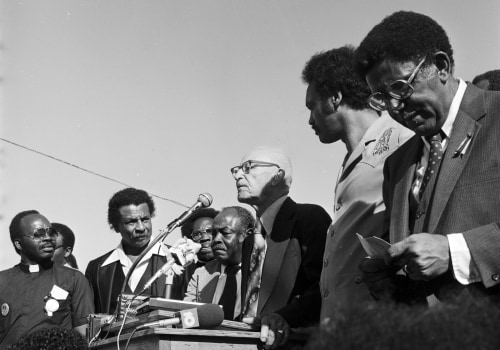
The Civil Rights Movement of the 1950s and 1960s brought about significant changes in Mobile's political landscape.African American activists, led by figures such as John LeFlore and Johnnie Carr, fought for equal rights and representation in government. In 1965, LeFlore became the first African American elected to the Mobile City Commission, breaking the long-standing hold of the Democratic Party on local politics. This marked a turning point in Mobile's political history and paved the way for more diverse representation in government.
The Modern Era
In recent decades, Mobile has seen a shift towards a more competitive political landscape. While the Democratic Party still holds a strong presence in the city, there has been an increase in Republican candidates running for office. In 1989, Mike Dow became the first Republican mayor of Mobile since Reconstruction. His election marked a significant shift in power dynamics and signaled a growing Republican presence in local politics. Today, political campaigns in Mobile are highly competitive, with candidates from both major parties vying for positions in local government.The city has also seen an increase in independent candidates running for office, reflecting a growing desire for alternative political options.
The Impact of Technology
With the rise of technology and social media, political campaigns in Mobile have also evolved. Candidates now have access to a wider audience and can reach voters through various online platforms. However, this has also led to concerns about the influence of money in politics and the spread of misinformation. The use of targeted ads and social media bots has raised questions about the fairness and transparency of political campaigns in Mobile.The Future of Political Campaigns in Mobile
As Mobile continues to grow and evolve, so too will its political landscape. With a more diverse population and a growing emphasis on technology, it is likely that political campaigns in Mobile will become even more competitive and innovative in the years to come. However, it is important to remember the city's rich political history and the struggles that have shaped its current state.By understanding the past, we can better navigate the future and ensure that Mobile remains a vibrant and dynamic city for generations to come.