As the 2020 presidential election approaches, the issue of voter suppression has once again come to the forefront of political discourse. While this issue affects many states across the country, it has a particularly significant impact on political campaigns in Mobile, Alabama. As an expert in political campaigns and elections, I have seen firsthand the detrimental effects of voter suppression on the democratic process in this city.
The History of Voter Suppression in Mobile
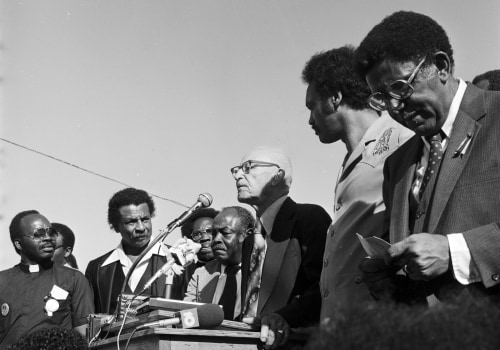
To understand the impact of voter suppression on political campaigns in Mobile, it is important to first examine the history of this issue in the city. Mobile has a long and troubling history of voter suppression, particularly targeting African American voters.In the late 19th and early 20th centuries, laws such as poll taxes and literacy tests were used to prevent African Americans from exercising their right to vote. Even after these laws were abolished, voter suppression tactics continued in Mobile.
Gerrymandering
, or the manipulation of voting district boundaries to favor a certain political party, has been a common practice in the city. This has resulted in a disproportionate representation of certain communities and has made it more difficult for marginalized groups to have their voices heard through voting. In recent years, there have also been efforts to restrict voting rights through strict voter ID laws and purging of voter rolls. These tactics disproportionately affect low-income and minority communities, making it harder for them to participate in the democratic process.The Impact on Political Campaigns
The impact of voter suppression on political campaigns in Mobile is significant.One of the most obvious effects is the decrease in voter turnout. When certain groups are systematically targeted and prevented from voting, it can greatly reduce the number of eligible voters who are able to participate in elections. This not only affects the outcome of individual races, but it also undermines the legitimacy of the democratic process as a whole. Furthermore, voter suppression can also have a ripple effect on political campaigns. When certain communities are unable to vote, it can make it more difficult for candidates to reach and engage with these voters.
This can lead to a lack of representation and a disconnect between elected officials and their constituents. In addition, voter suppression can also have financial implications for political campaigns. In order to combat these tactics and reach out to disenfranchised communities, campaigns may need to allocate more resources towards voter education and mobilization efforts. This can be a significant burden, especially for smaller campaigns with limited resources.
The Role of Technology
With the rise of technology, voter suppression tactics have become more sophisticated in Mobile. One example is the use of social media to spread misinformation and disinformation about voting procedures and requirements.This can confuse and discourage potential voters, particularly those who may already face barriers to voting. On the other hand, technology has also played a role in combating voter suppression. Mobile apps and websites have been developed to help voters navigate the registration process and stay informed about their voting rights. These tools have been particularly helpful for marginalized communities who may not have access to traditional forms of information.
The Importance of Addressing Voter Suppression
Voter suppression not only affects political campaigns in Mobile, but it also has far-reaching consequences for the entire community. When certain groups are systematically excluded from the democratic process, it perpetuates inequality and undermines the principles of democracy. It is crucial for political leaders and organizations to address this issue and work towards creating a more equitable and inclusive voting system in Mobile.This includes advocating for fair redistricting, fighting against restrictive voting laws, and promoting voter education and outreach efforts.